
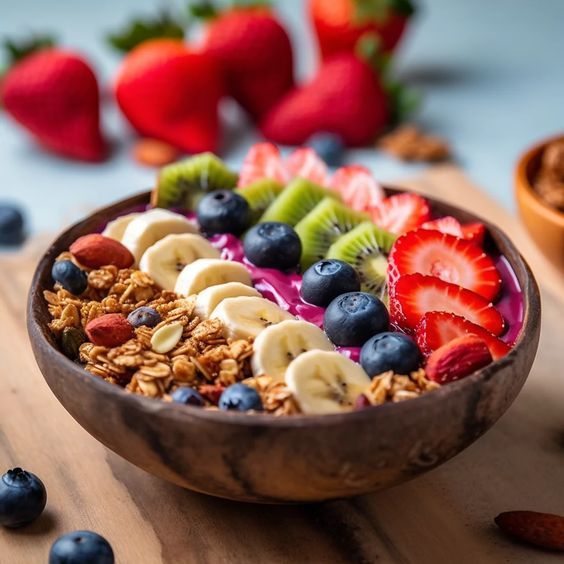
Best Healthy Eating Options Available in Modern Restaurants
Best south indian restaurant in must-visit dining has evolved far beyond traditional heavy meals. Today, restaurants around the world are embracing healthier menus that focus on fresh ingredients, mindful cooking, and smarter meal choices. With growing interest in fitness and wellness, customers now expect restaurants to offer meals that support their health goals without sacrificing flavor. Here’s a detailed look at the best healthy eating options available in today’s modern restaurants. 1.Rise of Fresh Salads and Nutritious Bowls One of the biggest trends in modern restaurants is the introduction of customizable salads and superfood bowls. Best Healthy Eating These dishes are built using fresh vegetables, whole grains, nuts, seeds, and lean proteins. Grain bowls made with quinoa, brown rice, millet, or couscous are rich in fiber and provide long-lasting energy. Protein options such as grilled chicken, tofu, chickpeas, eggs, or salmon make these meals balanced and satisfying. 3.Emphasis on Farm-to-Table Cooking Many restaurantsBest Healthy Eating now partner with local farmers to source fresh, seasonal produce. Farm-to-table menus offer dishes prepared with ingredients harvested at their peak flavor and nutrition. This approach reduces the use of preservatives, improves taste, and supports local agriculture. Seasonal vegetables, organic fruits, and freshly grown herbs help create naturally wholesome meals. Aspect Description Definition A dining approach where restaurants use ingredients sourced directly from local farms and producers. Ingredient Source Fresh, local, seasonal vegetables, fruits, grains, dairy, and meats from nearby farmers. Benefits Higher nutrient content, better taste, fewer preservatives, and support for local agriculture Environmental Impact Reduced carbon footprint due to shorter transportation distances and sustainable farming practices. Menu Variety Seasonal menus that change based on availability of fresh produce throughout the year. Quality Standards Organic produce, chemical-free vegetables, free-range meats, and naturally grown ingredients. Customer Appeal Health-conscious diners prefer freshness, authenticity, and transparency about food origins. Restaurant Practices Partnering with local farms, using handpicked produce, rotating seasonal dishes, and minimizing waste. 3.Healthier Cooking Methods Over Traditional Frying Restaurants are moving away from deep-fried dishes and switching to cooking methods that preserve nutrients while cutting down on fat. Grilling, roasting, steaming, poaching, and baking are now commonly used to prepare everything from meats to vegetables. These methods result in lighter meals that are easier to digest and lower in calories. 4.Plant-Based and Vegan Options on the Rise Plant-based dining Best Healthy Eating has become a mainstream trend. Modern restaurants offer a wide selection of vegan and vegetarian meals like lentil soups, vegetable stir-fries, tofu bowls, hummus platters, vegan burgers, and dairy-free desserts. These dishes are rich in vitamins, minerals, antioxidants, and fiber, making them ideal for maintaining overall health. 5.Whole-Grain and Healthier Carb Alternatives Carbohydrate choices have evolved dramatically. Instead of serving refined options, many restaurants now include: 6.Low-Sugar and Natural Beverage Choices Modern drink menus go beyond sugary sodas and artificial juices. Health-focused restaurants now offer:Best Healthy Eating 7.Portion-Control and Balanced Meal Options To help customers avoid overeating, many restaurants Best Healthy Eating offer half portions, small plates, and balanced meal combinations. These allow diners to enjoy variety without consuming excess calories. Such options are especially beneficial for people following weight-loss or maintenance diets. 8.Diet-Friendly Menus for Specific Health Needs Modern restaurants Best Healthy Eating are becoming increasingly inclusive by designing menus that cater to different dietary requirements. With more people facing allergies, health conditions, or following specific lifestyle diets, restaurants are now offering tailored dishes that ensure safety, nutrition, and satisfaction. From gluten-free meals to low-sodium dishes, diet-friendly menus help diners enjoy flavorful food without compromising their health. Best Healthy Eating Many restaurants Best Healthy Eating now label their menus with icons indicating whether a dish is gluten-free, keto-friendly, vegan, diabetic-safe, or low-carb. This transparency helps customers choose meals that align with their nutritional needs. For example, gluten-free menus offer items like rice bowls, grilled proteins, vegetable stir-fries, and breads made with millet or almond flour. Keto-friendly options focus on high-protein, high-fat ingredients such as eggs, grilled chicken, avocado, and leafy greens. Diabetic-friendly menus minimize sugar and refined carbs, featuring whole grains, fresh salads, lean proteins, and controlled portions. Low-sodium dishes use natural herbs and spices instead of heavy salt, making meals heart-healthy without losing flavor. Restaurants also provide dairy-free or lactose-free options using alternatives like almond milk, coconut milk, and plant-based cheese. These diet-friendly Best Healthy Eating menus ensure that every guest—regardless of health condition or preference—can enjoy a safe, delicious, and well-balanced dining experience. Diet Type Description Common Restaurant Options Benefits Gluten-Free For people with gluten intolerance or celiac disease; avoids wheat, barley, and rye. Rice bowls, grilled chicken, vegetable stir-fries, millet/almond flour breads. Reduces digestive issues, safe for gluten sensitivity. Vegan / Plant-Based Excludes all animal products; focuses on plant-based foods. Vegan curries, tofu dishes, salads, lentil soups, vegetable stir-fries. High in fiber, antioxidants, and essential nutrients. Keto-Friendly Low-carb, high-fat diet to promote fat burning Eggs, avocado salads, grilled meats, leafy greens, cheese-based dishes. Supports weight loss and stable energy levels. Diabetic-Friendly Low-sugar meals for managing blood sugar levels. Whole grains, salads, lean proteins, low-carb bowls. Helps control blood glucose and maintain energy. Low-Sodium / Heart-Healthy Reduced salt usage; ideal for heart health and blood pressure control. Herb-seasoned dishes, steamed vegetables, grilled proteins. Supports heart health and reduces water retention. Lactose-Free / Dairy-Free Avoids milk and lactose-containing products. Almond milk drinks, coconut milk curries, dairy-free desserts. Prevents digestion issues and bloating. Low-Calorie / Weight Management Designed for calorie control and light eating. Small plates, portion-controlled meals, soups, salads. Helps with weight management and healthy eating habits. Conclusion Modern restaurants are redefining Best Healthy Eating by incorporating fresh ingredients, clean cooking methods, and flexible menu options. Whether you’re seeking low-calorie meals, plant-based dishes, or nutrient-packed bowls, today’s restaurants offer delicious and wholesome choices that support a balanced lifestyle. Healthy eating is no longer a challenge—it’s now an enjoyable part of the dining experience.
Best Healthy Eating Options Available in Modern Restaurants Read More »