
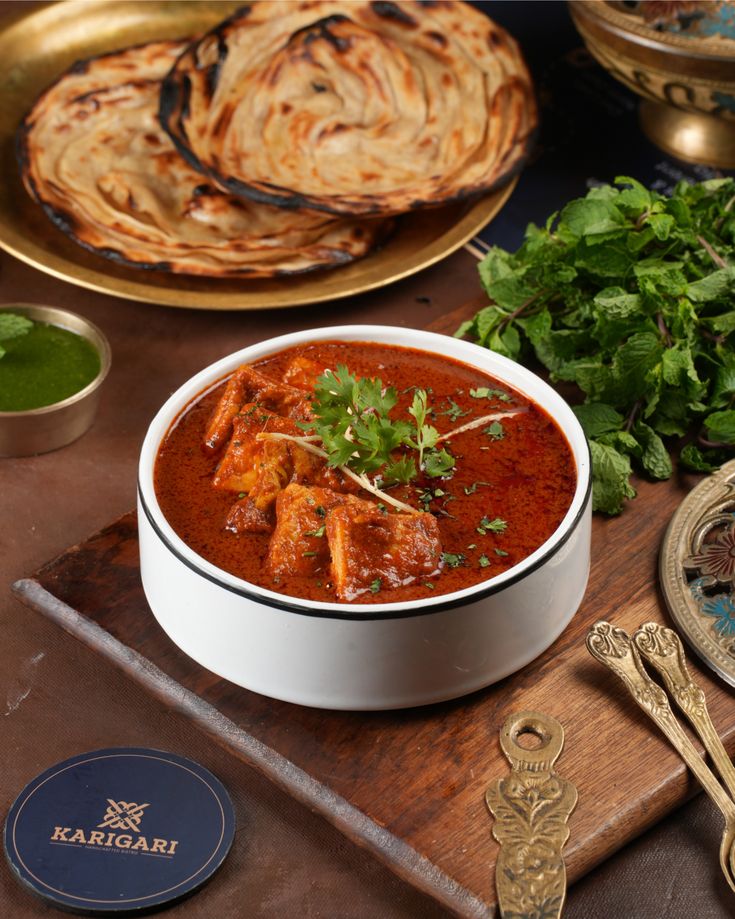

Must-Visit Restaurant In today’s digital-first dining culture, customers decide what to eat based on what they see—long before they taste anything. This makes Food Photography for Restaurants one of the most powerful marketing tools for every restaurant. High-quality food photos not only highlight the beauty of your dishes but also attract customers, improve online visibility, and boost sales. In this blog, we will explore how to capture stunning food photos, how to use them effectively, and how they can increase your restaurant’s profits.
1.Why Food Photography Matters for Restaurants
Food Photography for Restaurants has transformed into a critical branding element for restaurants because:
People eat with their eyes first.
Beautiful visuals increase social media engagement.
High-quality photos help customers trust your food quality.
Attractive images can boost online orders on Swiggy, Zomato, Uber Eats, and other delivery apps.
In simple words: great food photos make customers hungry and ready to order.
2.How to Capture Amazing Food Photos
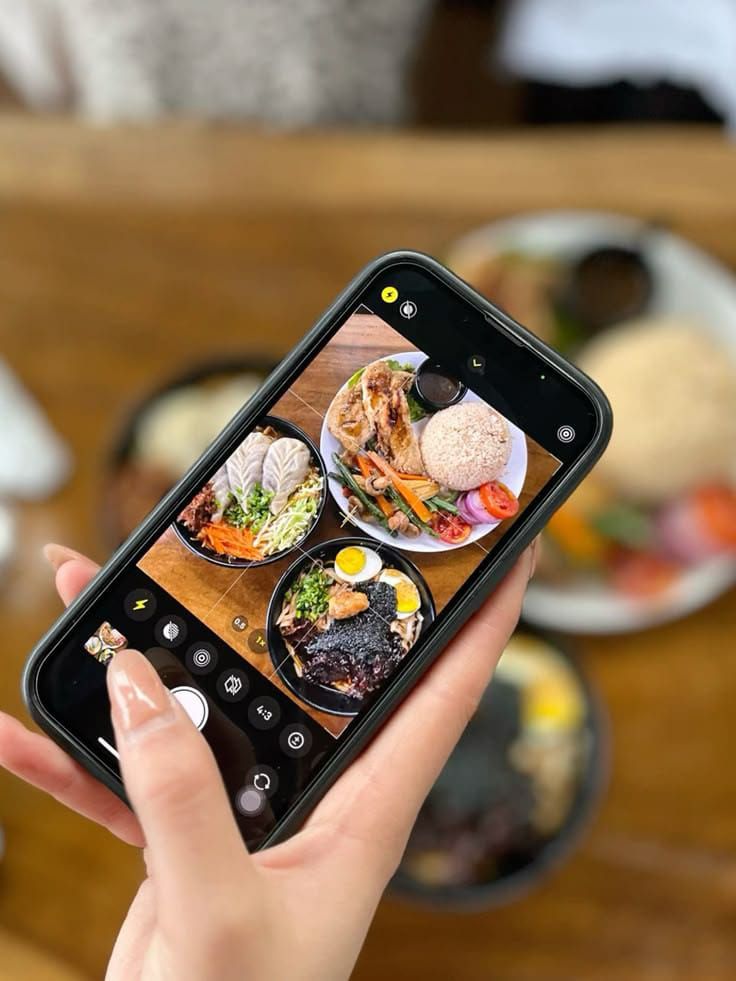
Capturing mouth-watering images doesn’t always require expensive equipment; Food Photography for Restaurants it requires technique, creativity, and attention to detail.
✔ Use Natural Light
Shoot near windows for soft, diffused lighting.
Avoid harsh overhead lights or direct sunlight.
Natural light enhances colors and makes food look fresh and appetizing.
✔ Keep the Background Simple
Use plain surfaces, wooden tables, or neutral backdrops.
Remove clutter so your dish remains the hero of the frame.
✔ Experiment With Angles
Different foods look better from different angles:
Top view (90°): Thali, pizza, biryani bowls
45° angle: Burgers, sandwiches, layered dishes
Close-up shots: Desserts, beverages, toppings
✔ Focus on Presentation
Add fresh garnishing (herbs, lemon slices, colorful vegetables).
Use clean plates and neat arrangement.
Highlight textures and vibrant colors.
✔ Keep Your Shot Steady
Use a tripod or hold your camera firmly.
Stable shots reduce blur and increase sharpness.
3.How to Use Your Food Photos Effectively
Once you’ve captured amazing food photos, it’s time to put them to work.Food Photography for Restaurants
✔ Social Media Marketing
Post your photos on:
Instagram
Facebook
Pinterest
YouTube Shorts
Google Business Profile
Use captions, hashtags, and geo-tags to attract local food lovers.
✔ Improve Your Online Menu (Swiggy & Zomato)
Delivery apps heavily depend on visuals.
Clear food photos can increase customer clicks and conversions significantly.
✔ Website & Blog Content
Professional photos make your website look premium and trustworthy.
They help in:
Better user experience
Higher engagement
Improved SEO performance
✔ Printed & Digital Advertising
Use your food photos in:
Posters
Flyers
Brochures
Digital ads
Standees and banners
Attractive visuals instantly grab attention.
4.How Amazing Food Photos Increase Restaurant Profit
Food photos directly influence customer decisions, which leads to increased sales.Food Photography for Restaurants
✔ Higher Online Orders
Mouth-watering photos increase dish selection and order value.
✔ Strong Brand Identity
Consistent, high-quality visuals make your brand recognizable and memorable.
✔ More Customer Engagement
People love sharing appealing food photos.
This brings organic reach and free publicity.
✔ Repeat Customers
When customers are visually impressed, they are more likely to revisit your restaurant or order again.
5.Tips to Build a Consistent Visual Style
To maintain a strong brand image:
Stick to similar editing styles.
Choose a consistent color palette.
Maintain uniform lighting and background themes.
Highlight your signature dishes regularly.
This helps customers instantly identify your brand anywhere online.
6.What to Do with Your Food Photos
Food Photography for Restaurants are powerful marketing assets, and you can use them in many smart ways to grow your restaurant’s visibility and brand. Start by sharing them across your social media platforms—Instagram, Facebook, and Google Business Profile—to attract customers with visually appealing dishes. Add your top images to your website, menu, and online ordering platforms to make your brand look more professional and trustworthy.
You can also repurpose photos in blog posts, newsletters, WhatsApp promotions, and paid ads to drive engagement and conversions. Use them for offline materials such as posters, flyers, table tents, and banners. Don’t forget influencer collaborations—send high-quality photos to bloggers, food influencers, and media outlets for promotional features.
When organized and reused correctly, your food photos become long-term assets that keep boosting your brand without extra cost. Let every click of your camera work harder for your restaurant.
Conclusion
Food Photography for Restaurants is no longer optional—it’s a necessity for any restaurant that wants to grow in the digital era. Capturing amazing food photos is about creativity, good lighting, and thoughtful presentation. Using them wisely across multiple platforms helps you attract more customers, build trust, and increase profits. Invest time in improving your food photography, and you’ll see long-lasting results in your restaurant’s brand, engagement, and revenue.